Japan
Where Ancient Traditions Meet Cutting-Edge Future
Find restaurants, attractions, hotels, or anything travel-related
Japan stretches 3,000 kilometers from subtropical Okinawa to subarctic Hokkaido—four main islands and thousands of smaller ones. Volcanic peaks include iconic Mount Fuji; hot springs bubble throughout. The landscape alternates between mountains (73% of the country) and intensely developed coastal plains. Cherry blossoms sweep north in spring; autumn colors flame south. Earthquakes, typhoons, and tsunamis are natural risks the Japanese have learned to manage with characteristic resilience.
Japanese culture balances ancient traditions with relentless innovation. Shinto spirituality coexists with Buddhist philosophy; both shape festivals, architecture, and daily rituals. The samurai era's influence persists in martial arts, aesthetics, and concepts like giri (duty) and honor. Post-war Japan channeled its energy into economic and technological achievement. Today's Japan faces demographic challenges while maintaining cultural vibrancy—from traditional arts to anime, from tea ceremony to convenience store innovation.
Travelers discover Japan through sensory immersion—the umami depth of ramen broth, the silence of a moss garden, the controlled chaos of Shibuya Crossing, the steam rising from an outdoor onsen. Navigating the train system becomes satisfaction; decoding vending machine offerings becomes adventure. Whether temple-hopping in Kyoto, skiing Hokkaido powder, or losing yourself in Tokyo's infinite neighborhoods, Japan rewards curiosity with experiences that reshape how you see the world.
Japanese identity draws from Shinto (nature spirituality), Buddhism (philosophical framework), Confucian values (social hierarchy), and samurai heritage (discipline, honor). Concepts like wabi-sabi (beauty in imperfection), mono no aware (pathos of things), and ikigai (life purpose) inform aesthetics and lifestyle. The tension between tradition (maintaining heritage) and innovation (embracing change) defines contemporary Japan.
Bow in greeting—depth indicates respect level. Remove shoes when entering homes, temples, and many traditional establishments. Don't tip—it can cause confusion or offense. Speak quietly on trains; phone calls are taboo. Don't eat while walking. Bathe thoroughly before entering onsen. Present business cards with both hands, receive with respect. Queuing is sacred; cutting lines is serious transgression.
Most Western nationalities receive visa-free entry for 90 days. Passport must be valid for duration of stay. Return ticket may be requested. Immigration is straightforward; biometrics collected on arrival. Working holiday visas available for some nationalities. Overstaying is taken extremely seriously.
Japan's reputation for expense is outdated—budget travel is possible with planning. Convenience store meals, capsule hotels, and rail passes help. Mid-range is comfortable; luxury is world-class. Tokyo and Kyoto are pricier than rural areas. The weak yen (2023-2024) has made Japan notably more affordable for Western visitors.
March-May, October-November
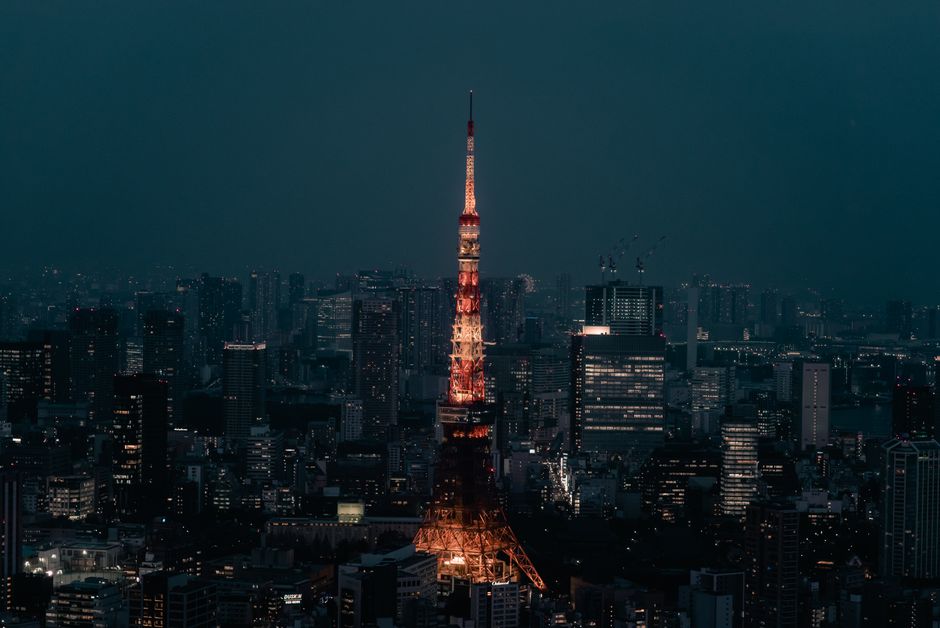
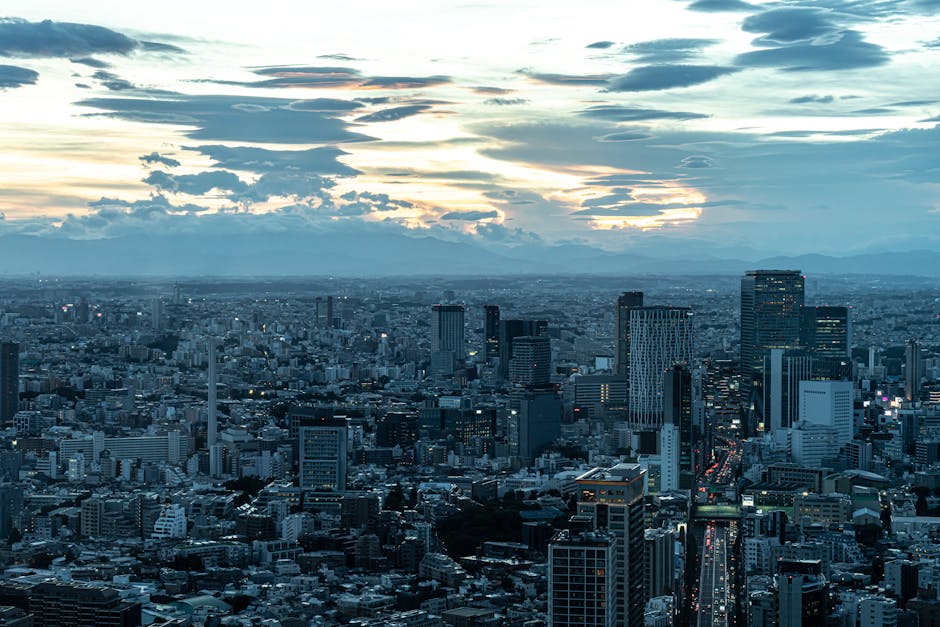
The world's largest metropolitan area—37 million people in a megalopolis of infinite neighborhoods, each with distinct character. Tokyo overwhelms then rewards: from Senso-ji's ancient atmosphere to Shibuya's scramble crossing, from Michelin-starred sushi to vending machine ramen, from imperial gardens to neon-drenched Shinjuku. You could spend a lifetime and never know it all.
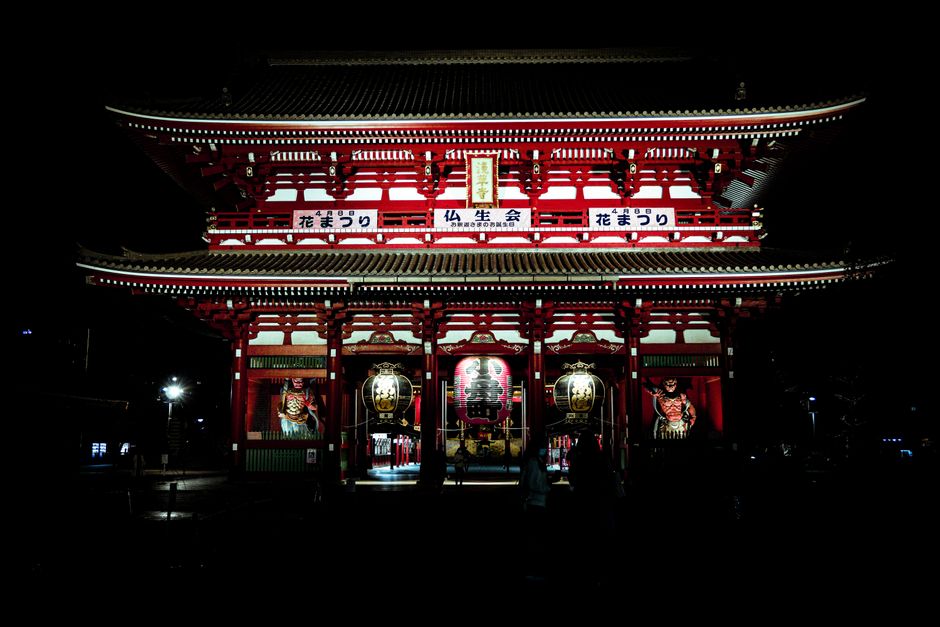
Tokyo's oldest and most visited temple—the great red lantern at Kaminarimon gate is iconic. Nakamise shopping street leads to the main hall; the five-story pagoda anchors the complex. Early morning offers peace before crowds descend. Evening illumination is magical.

Shinto shrine in 170 acres of forest—the transition from Harajuku's chaos to forested silence is remarkable. Dedicated to Emperor Meiji and Empress Shoken. The main shrine, sake barrels, and torii gates create serene atmosphere. Traditional weddings occur frequently.
🔓 1 more places in Premium
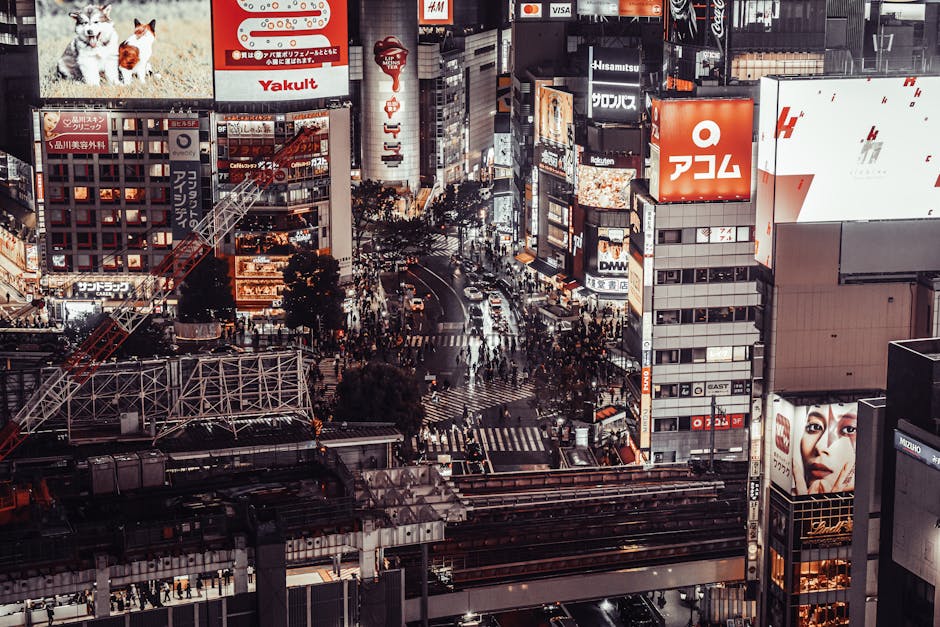
The world's busiest pedestrian crossing—up to 3,000 people cross each light change. Starbucks overlooking the crossing provides viewing; the Shibuya Sky observation deck offers aerial perspective. The quintessential Tokyo experience of controlled chaos.

Tokyo's entertainment and business center—the station handles 3.6 million daily passengers. East side offers Kabukicho's nightlife, Golden Gai's tiny bars, and Omoide Yokocho's yakitori alleys. West side has skyscrapers and the Metropolitan Government Building's free observation deck.
🔓 2 more places in Premium
Get all 6 cities with interactive neighborhood guides, insider tips, and full practical information
Upgrade Now →Tokyo and surroundings including Nikko, Kamakura, and Yokohama. Japan's population and economic center; the gateway for most visitors.
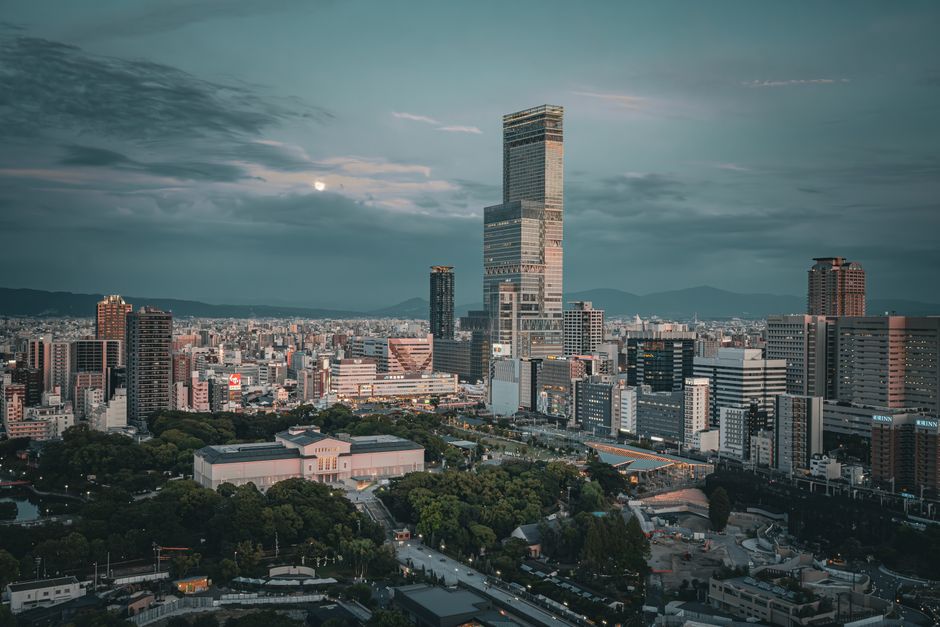
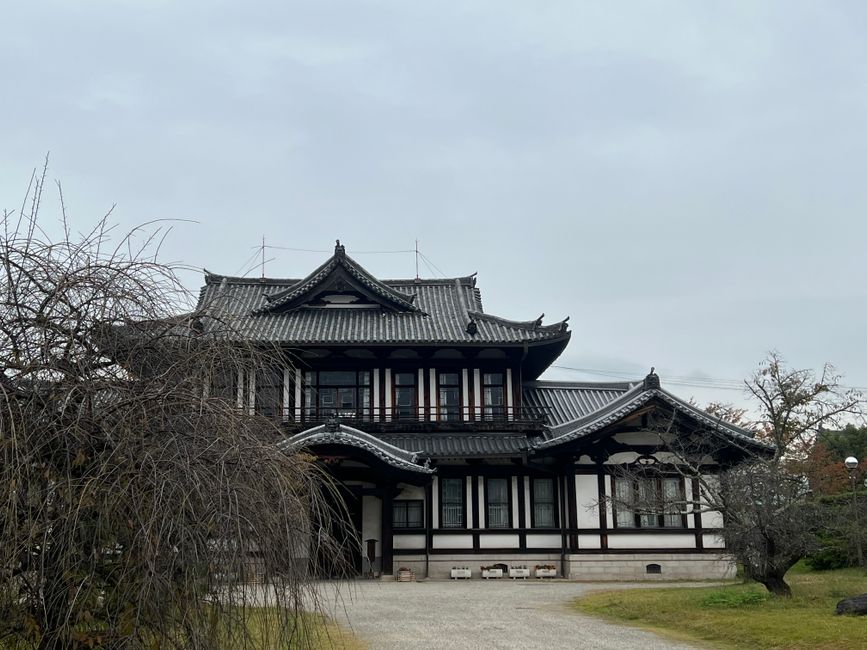
View on MapKyoto, Osaka, Nara, and Kobe—Japan's cultural heartland. Ancient capitals, temples, cuisine, and distinct regional character. Essential for first-time visitors.
View on MapJapanese Alps, traditional villages like Shirakawa-go, and historic Takayama and Kanazawa. Mountain scenery and preserved rural culture.
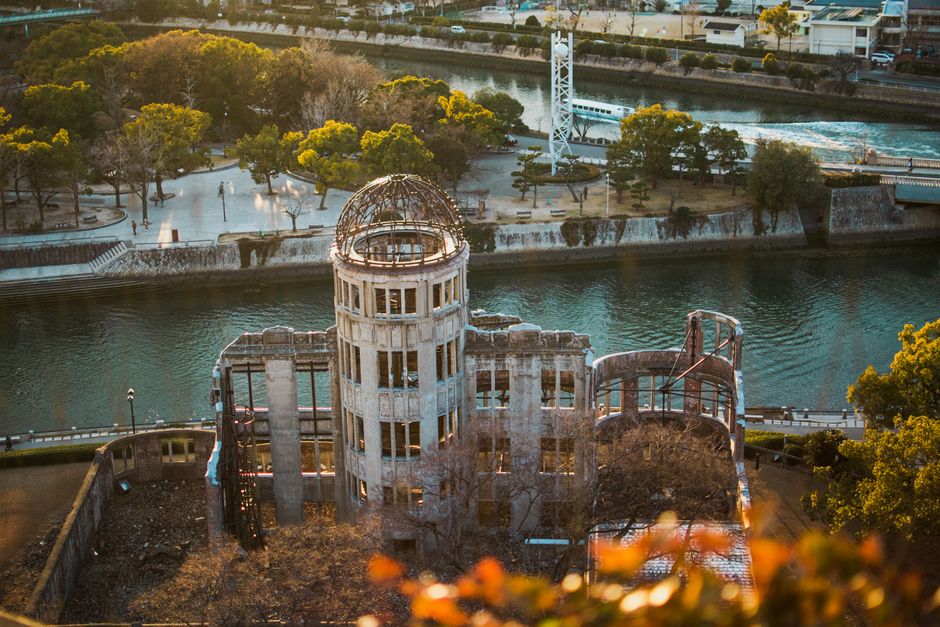
View on MapPeace memorials, Miyajima shrine, art islands of Naoshima. The San'yo coast offers distinct history and scenery from eastern Japan.
View on MapJapanese cuisine is UNESCO Intangible Cultural Heritage—seasonality, presentation, and quality obsession define the approach. Regional specialties vary dramatically; each city claims signature dishes. From Michelin-starred kaiseki to ¥500 ramen, quality is consistent. Convenience store food is genuinely excellent. The izakaya (pub) culture offers social eating and drinking. Breakfast often features rice, miso soup, and fish.
🔒 Transportation - Available in paid tiers
Everything you need for Japan - tours, transfers, SIM cards & more

Explore Japan with guided tours and unique experiences. From day trips to multi-day adventures.

Skip-the-line tickets to top attractions in Japan. Book ahead and walk right in.

Airport transfers, SIM cards, rail passes - everything you need for smooth travels.
Find the best hotels, hostels, and apartments
Best price across Booking, Expedia, VRBO & more • Powered by Stay22
Health: 🔒 Health - Available in paid tiers
Safety: 🔒 Safety - Available in paid tiers
🔒 Internet - Available in paid tiers
🔒 Money - Available in paid tiers