Italy
Where Art, History, and La Dolce Vita Unite
Find restaurants, attractions, hotels, or anything travel-related
Italy stretches from the Alps to the Mediterranean, a boot-shaped peninsula plus Sicily and Sardinia. The geography created isolation that preserved regional identities—Piedmont differs from Puglia, Venice from Naples. Mountains dominate the north; rolling hills characterize Tuscany and Umbria; the south bakes in Mediterranean heat. Coastlines offer everything from the Riviera's glamour to Calabria's wildness.
Italian history layers Roman foundations beneath medieval towers beneath Renaissance palaces beneath baroque churches. Unified only since 1861, Italy remains a collection of fierce regional identities. The Renaissance invented modern art, banking, and political theory here; the Roman Empire shaped Western civilization. Today's Italy balances this heritage with contemporary creativity in fashion, design, and food innovation.
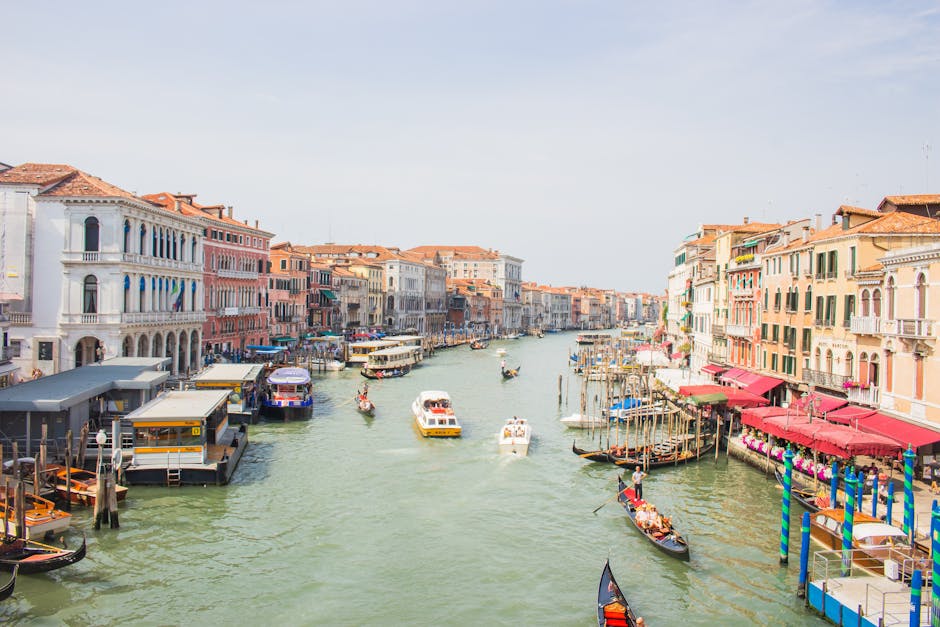
Travelers discover Italy through its rhythms—the morning espresso ritual, the afternoon passeggiata, the long dinner with multiple courses. Rushing defeats the purpose; the pleasures demand lingering. Whether contemplating Michelangelo's David, watching gondolas drift past, climbing Cinque Terre's trails, or simply eating the perfect pasta, Italy rewards those who slow down and pay attention.
Italian identity draws from Roman heritage, Catholic tradition, Renaissance humanism, and regional pride. Family remains central; multi-generational bonds persist. Food and wine connect to place—terroir matters for cuisine as much as grape. Art is not museum abstraction but lived environment. The concept of 'la dolce vita' (the sweet life) represents the commitment to pleasure and beauty that defines Italian aspiration.
Greet with 'buongiorno' (morning) or 'buonasera' (evening) upon entering shops and restaurants. Dress well; Italians judge appearance. Cover shoulders and knees in churches. Espresso is drunk standing at the bar; sitting costs more. Dinner starts late (8pm earliest); lunch is the main meal traditionally. Tipping is modest—round up or leave small change.
Schengen Area member—US, Canadian, UK, and most Western citizens receive visa-free entry for 90 days within 180-day period. Passport must be valid for 3 months beyond planned departure. EU/EEA citizens have freedom of movement. No registration required for tourist stays.
Italy is moderately expensive—cheaper than northern Europe, pricier than southern Europe. Tourist areas command premiums; moving off the beaten path saves money. Excellent budget food exists (pizza al taglio, aperitivo buffets). Accommodation ranges widely. Train travel is affordable; car rental adds flexibility but parking and ZTL (limited traffic zones) frustrate.
April-June, September-October
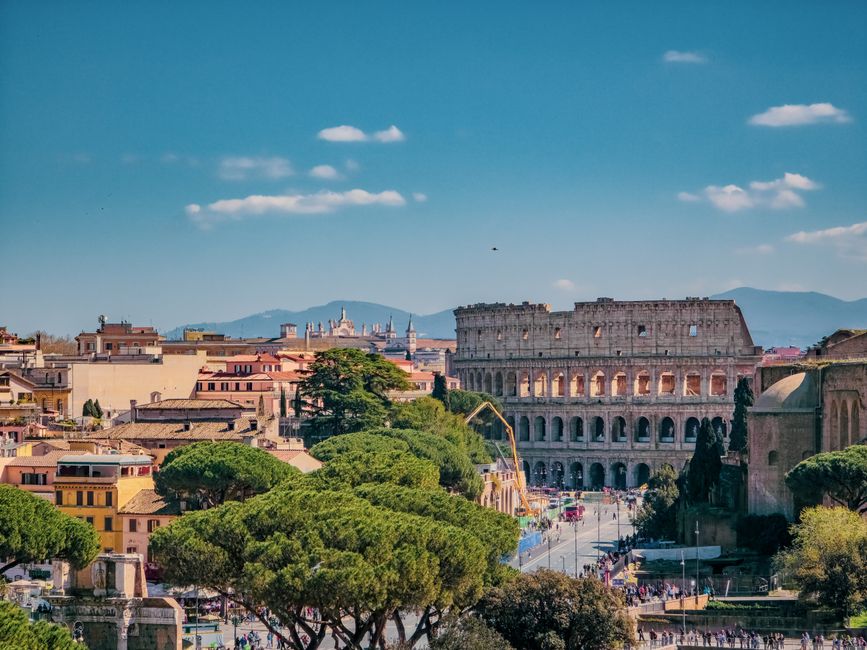
The Eternal City—layers of history from ancient empire through papal power to modern capital. The Colosseum, Vatican, and Trevi Fountain are just the beginning; every neighborhood reveals more. Rome rewards wandering; the best discoveries happen when lost. The city's chaos is part of its charm; the beauty is inexhaustible.

The iconic amphitheater—50,000 spectators watched gladiatorial combat and spectacles. The scale still impresses; the engineering amazes. Book timed entry online to skip lines; underground and upper tier tours add depth. Essential but crowded.
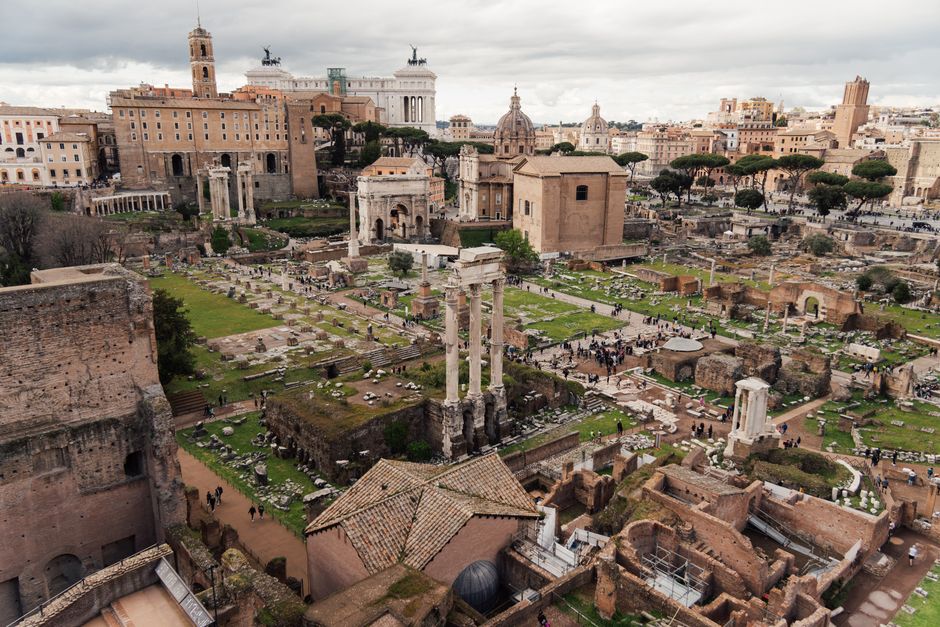
The political and religious heart of ancient Rome—temples, basilicas, and triumphal arches in atmospheric ruin. The Palatine Hill above was the emperors' residence; gardens and palace foundations remain. Combined ticket with Colosseum; allow half day.
🔓 1 more places in Premium

One of the world's great museum complexes—miles of galleries leading to the Sistine Chapel's Michelangelo ceiling. The crowds are crushing; book ahead or visit Friday night openings. The Raphael Rooms rival the Sistine in quality.
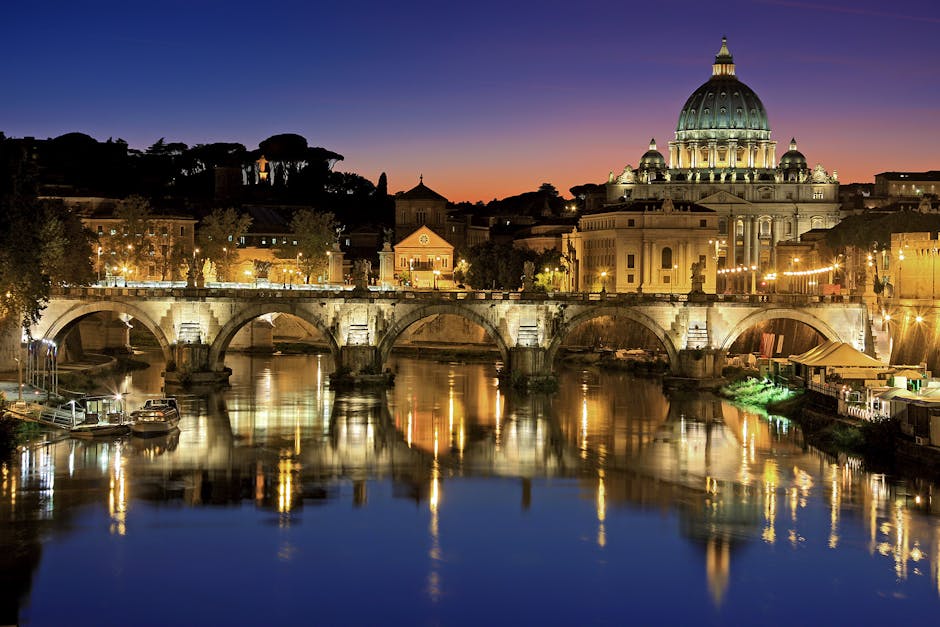
The world's largest church—Michelangelo's dome dominates Rome's skyline. The interior overwhelms with scale, art, and marble. Climb the dome for panoramic views. Dress code enforced; security lines can be long. Free entry to basilica.
🔓 1 more places in Premium
Get all 6 cities with interactive neighborhood guides, insider tips, and full practical information
Upgrade Now →Milan's fashion, Venice's canals, Verona's romance, and the Lakes. Alps provide backdrop; industry provides wealth. More European than Mediterranean in feel.
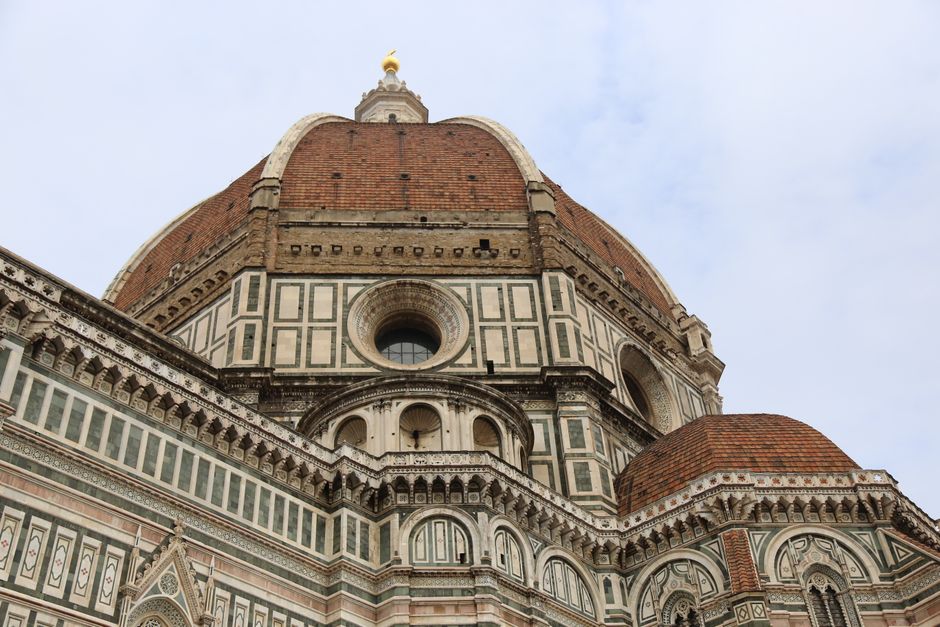
View on MapRome's empire, Florence's Renaissance, Tuscany's hills, and Umbria's quiet beauty. The tourist heartland with reason—the density of art and history is unmatched.
View on MapNaples' chaos, Pompeii's tragedy, Amalfi's drama, and Puglia's rising star. More Mediterranean; slower pace; different character from the north.
View on MapThe island where civilizations collided—Greek temples, Norman churches, Arab markets, and volcanic drama. A separate world requiring dedicated time.
View on MapItalian cuisine is regional—what's authentic in Bologna differs from Rome differs from Naples. The concept of 'cucina povera' (poor cooking) created dishes from humble ingredients elevated by technique. Fresh, seasonal, local ingredients matter more than complexity. Meals follow structure: antipasto, primo (pasta/rice), secondo (meat/fish), contorno (vegetables), dolce (dessert). Coffee punctuates the day; wine accompanies meals.
🔒 Transportation - Available in paid tiers
Everything you need for Italy - tours, transfers, SIM cards & more

Explore Italy with guided tours and unique experiences. From day trips to multi-day adventures.

Skip-the-line tickets to top attractions in Italy. Book ahead and walk right in.

Airport transfers, SIM cards, rail passes - everything you need for smooth travels.
Find the best hotels, hostels, and apartments
Best price across Booking, Expedia, VRBO & more • Powered by Stay22
Health: 🔒 Health - Available in paid tiers
Safety: 🔒 Safety - Available in paid tiers
🔒 Internet - Available in paid tiers
🔒 Money - Available in paid tiers
Italy captivates with its unparalleled art, cuisine, and lifestyle—and increasingly, with extraordinary opportunities to own property for almost nothing. From €1 houses in depopulating villages to the 7% flat tax for Southern relocators, Italy is actively trying to attract new residents. La dolce vita is real, and it's more accessible than ever for those willing to embrace small-town Italian life.
Italy's Elective Residence Visa is designed for non-EU citizens who can support themselves without working. It's the primary path for American and other non-EU retirees.
Cannot work in Italy. Must demonstrate stable passive income (pension, investments, rental). Path to permanent residency after 5 years, citizenship after 10 years.
Options include €250K innovative startup, €500K Italian company, €1M bonds, €2M government bonds. Can work in Italy.
New as of 2024. For remote workers with non-Italian clients. Can convert to standard residency.
Italy offers a special 7% flat tax on all foreign income for retirees who move to towns under 20,000 population in Southern Italy (Abruzzo, Molise, Campania, Puglia, Basilicata, Calabria, Sardinia, Sicily). Valid for 10 years. Significant savings compared to Italy's normally high taxes.
Italy varies dramatically by region. Milan and Rome are expensive; Puglia, Calabria, and Sicily offer exceptional value. Small towns throughout are very affordable.
| Expense | Monthly Cost |
|---|---|
| Rent (2BR apartment, Rome/Milan) | €1,400-2,200 |
| Rent (2BR apartment, Florence/Bologna) | €1,000-1,600 |
| Rent (2BR apartment, Puglia/Sicily) | €500-900 |
| Utilities (electric, gas, water, internet) | €150-250 |
| Groceries (incredible quality) | €300-450 |
| Dining out | €200-400 |
| Health insurance (private) | €150-350 |
| Transportation | €50-150 |
Total: €1,500-4,000/month depending on location and lifestyle
Italy's public healthcare system (SSN) is excellent and available to legal residents. Quality is high throughout, with some of Europe's best hospitals.
Most €1 house options (Sambuca, Mussomeli, Troina). Incredible history, cuisine, beaches. Very affordable. 7% flat tax eligible. Warm climate year-round.
📍 View on MapItaly's best value with stunning beaches and whitewashed towns. Biccari has €1 houses. Lecce is the 'Florence of the South.' 7% flat tax region.
📍 View on MapBeaches, mountains, and Italy's lowest costs. Cinquefrondi offers €1 houses. Authentic, untouristy, 7% flat tax eligible. Growing expat interest.
📍 View on MapMountains meet sea, 90 minutes from Rome. Very affordable, authentic Italy, established expat community. 7% flat tax eligible. Some €1 programs emerging.
📍 View on MapIsland paradise with unique culture. Ollolai offers €1 houses in stunning mountain setting. Blue Zone longevity region. More remote but spectacular.
📍 View on MapClassic dream destination: hills, cypress trees, wine, art. No €1 programs but small towns remain affordable. Higher costs, higher polish.
📍 View on Map