Greece
The Cradle of Western Civilization
Find restaurants, attractions, hotels, or anything travel-related
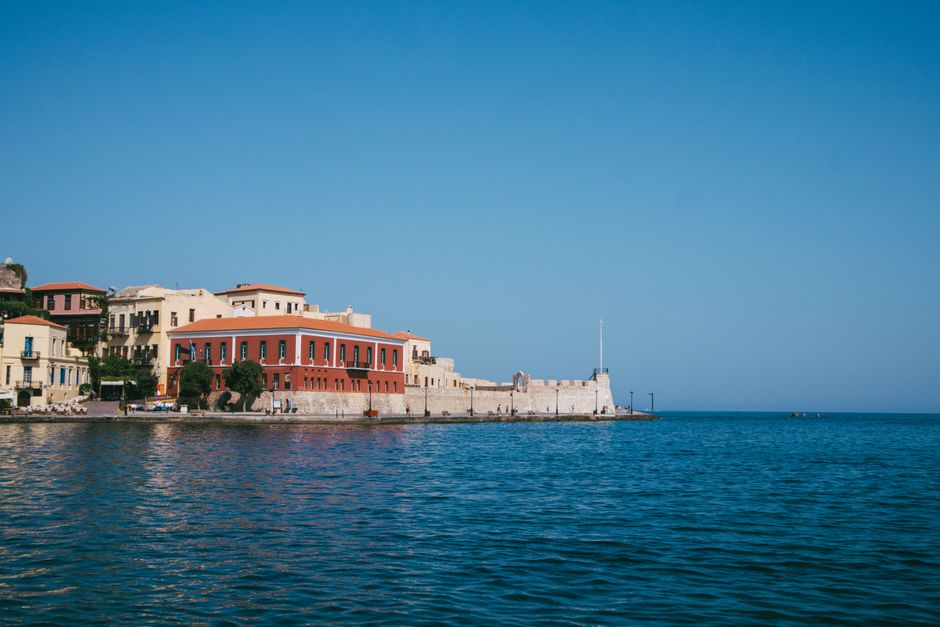
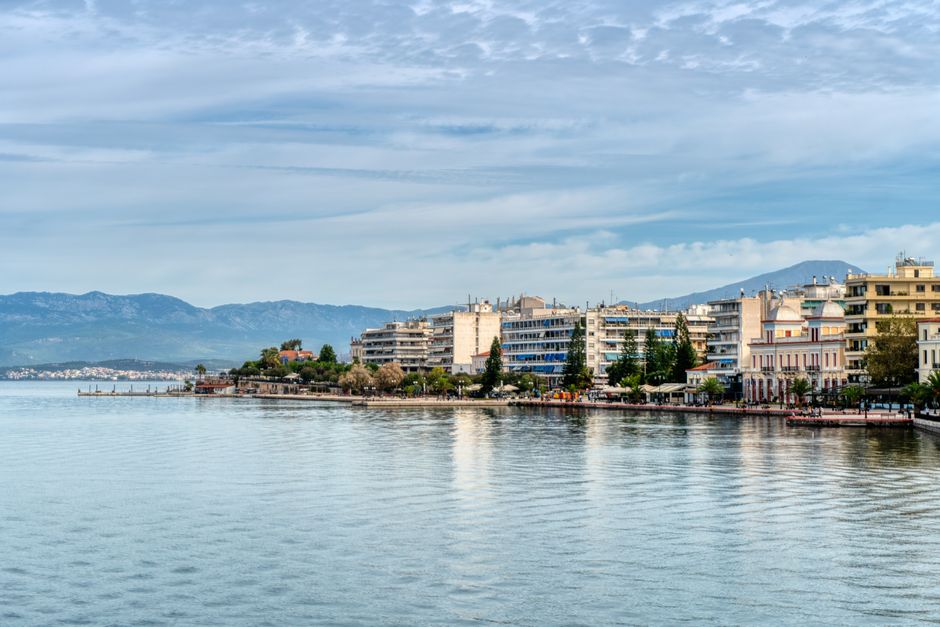
Greece occupies the southern tip of the Balkan Peninsula plus thousands of islands scattered across the Aegean and Ionian Seas. The mainland features mountains (80% of the country), fertile valleys, and dramatic coastlines. The islands range from tiny uninhabited rocks to Rhodes and Crete (larger than some countries). Climate is Mediterranean—hot, dry summers and mild, wet winters—with variations by region.
Greek history stretches from Minoan civilization (3000 BCE) through classical Athens, Alexander's empire, Roman and Byzantine rule, Ottoman occupation (400 years), and modern independence (1821). Each era left traces—ancient temples, Byzantine churches, Venetian fortresses, Ottoman mosques. The 20th century brought turmoil: wars, dictatorship, and recent economic crisis. Today's Greece balances heritage tourism with contemporary European life.
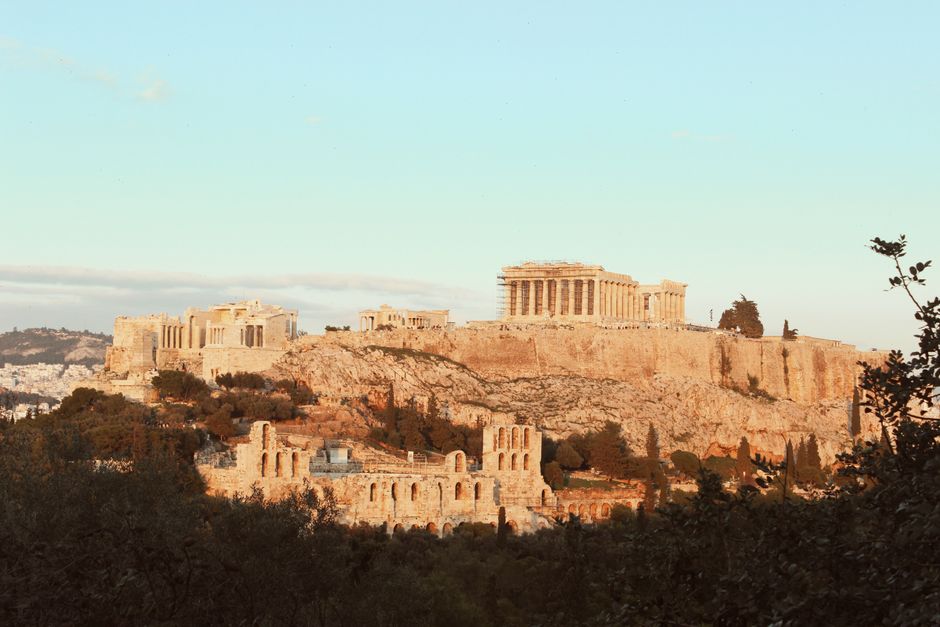
Travelers discover Greece through layered experiences—contemplating the Parthenon at sunset, ferry-hopping between islands, eating fresh fish at a seaside taverna, hiking gorges in Crete, watching Orthodox Easter celebrations. The pace encourages lingering; the light (famously clear) rewards photographers; the food and wine improve with every meal. Greece is both museum and living culture, ancient and immediate.
Greek identity draws from ancient glory, Orthodox faith, and resistance to foreign rule. Language continuity from ancient to modern Greek reinforces connection. The Orthodox Church remains central to culture and calendar. Regional identities (Cretan, Macedonian, island cultures) add diversity. The economic crisis (2010s) challenged but didn't break national spirit.
Greet with handshakes; friends kiss on both cheeks. Dress modestly for churches (cover shoulders, knees). Accept hospitality graciously—refusing coffee or food can offend. Don't rush meals or expect quick service. Tipping 5-10% is customary at restaurants. Greeks use head gestures differently—slight upward nod means 'no.' Afternoon siesta (3-5pm) closes many businesses.
Schengen Area member—US, Canadian, UK, and most Western citizens receive visa-free entry for 90 days within 180-day period. Passport must be valid for 3 months beyond planned departure. EU/EEA citizens have freedom of movement. No registration required for tourist stays.
Greece offers good value for Mediterranean Europe—cheaper than Italy or France, comparable to Spain and Portugal. Islands vary widely; Mykonos is expensive while lesser-known islands are bargains. Mainland is generally cheaper than islands. Eating at tavernas rather than tourist restaurants saves significantly.
April-June, September-October
Democracy's birthplace sprawls beneath the Acropolis—ancient ruins, Byzantine churches, and Ottoman traces mingle with vibrant modern neighborhoods. Athens is chaotic, graffiti-covered, and endlessly fascinating. The city suffered during the economic crisis but emerged with creative energy. Beyond the Acropolis, street art, rooftop bars, and neighborhood tavernas reward exploration.

The sacred rock crowned by the Parthenon—Western civilization's most influential building. The temple to Athena has stood since 438 BCE; what remains still awes. Morning visits avoid heat and some crowds; sunset is magical but busy. The ongoing restoration is itself fascinating.

Modern museum displaying Acropolis artifacts—the glass floor reveals excavations below; the top floor aligns with the Parthenon visible through windows. The Caryatids (original column maidens) are highlights. Context for understanding the ancient site.
🔓 2 more places in Premium

The old town beneath the Acropolis—pedestrian streets, neoclassical buildings, and tourist shops. Touristy but genuinely charming; the 19th-century architecture survived modern development. Tavernas vary from tourist traps to gems. Evening strolls are atmospheric.

The market district—flea market, antique shops, and busy squares. Monastiraki Square anchors the area; the Sunday flea market expands through surrounding streets. Street food, souvenir hunting, and people-watching occupy visitors.
🔓 2 more places in Premium
Get all 6 cities with interactive neighborhood guides, insider tips, and full practical information
Upgrade Now →The capital region—ancient sites, museums, and urban energy. The gateway for most visitors; worth more than quick transit.
View on MapThe iconic white-and-blue islands—Santorini, Mykonos, Paros, Naxos, and smaller gems. The Greek island image; ferry-hopping paradise.
View on MapGreece's largest island—Minoan palaces, dramatic gorges, beaches, and fierce local identity. Big enough for extended exploration.
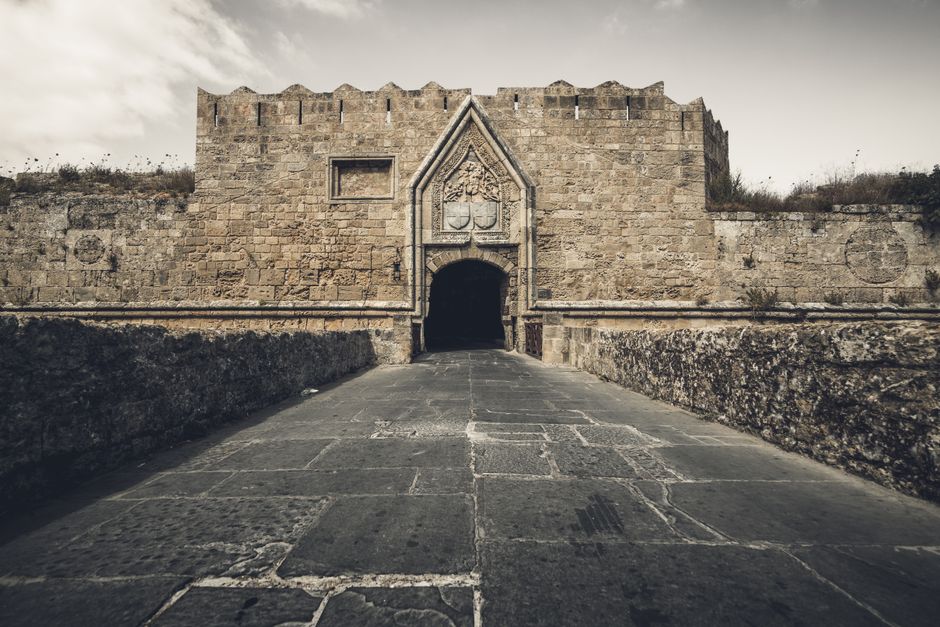
View on MapEastern Aegean islands near Turkey—Rhodes' medieval town, Kos' beaches, Patmos' sacred history. Greek-Turkish cultural blend.
View on MapGreek cuisine emphasizes fresh, seasonal ingredients—olive oil, vegetables, seafood, lamb, and cheese. Meals are social occasions; meze (small plates) encourage sharing. Regional specialties vary from Cretan to Macedonian. Wine has ancient heritage; modern Greek wines are increasingly respected. The taverna tradition makes dining accessible and convivial.
🔒 Transportation - Available in paid tiers
Everything you need for Greece - tours, transfers, SIM cards & more

Explore Greece with guided tours and unique experiences. From day trips to multi-day adventures.

Skip-the-line tickets to top attractions in Greece. Book ahead and walk right in.

Airport transfers, SIM cards, rail passes - everything you need for smooth travels.
Find the best hotels, hostels, and apartments
Best price across Booking, Expedia, VRBO & more • Powered by Stay22
Health: 🔒 Health - Available in paid tiers
Safety: 🔒 Safety - Available in paid tiers
🔒 Internet - Available in paid tiers
🔒 Money - Available in paid tiers